


| Issue |
Sust. Build.
Volume 9, 2026
|
|
|---|---|---|
| Article Number | 2 | |
| Number of page(s) | 14 | |
| Section | Green Retrofit | |
| DOI | https://doi.org/10.1051/sbuild/2025011 | |
| Published online | 26 January 2026 | |
Original Article
Retrofitting aged masonry buildings using advanced cementitious fibre reinforced concrete material: case study and comparison to traditional methods
1
Department of Civil Engineering, Xi'an Jiaotong-Liverpool University, 111 Ren'ai Road, Suzhou, 215123, PR China
2
Department of Urban Planning and Design, Xi'an Jiaotong-Liverpool University, 111 Ren'ai Road, Suzhou, 215123, PR China
* e-mail: This email address is being protected from spambots. You need JavaScript enabled to view it.
Received:
14
October
2024
Accepted:
26
November
2025
Abstract
China has a large stock of existing aged buildings that can no longer meet the needs of modern life and need to be reinforced to improve their seismic resistance. Complete demolishing and rebuilding waste resources while retrofitting and reusing are more sustainable. However, residents feel reluctant to invest in retrofitting their dwellings, even with government funding, because of its high cost. Previous research has mainly focused on upgrading heating, ventilation, air conditioning (HVAC), and lighting to benefit from energy-saving and carbon emission reduction without considering holistic renovation requirements. On the other hand, traditional retrofitting techniques were widely reported in the literature worldwide to improve structural integrity, load-bearing capacity, and seismic performance. However, little research has been conducted on the cost-effectiveness of different retrofitting methods, especially the emerging methods involving more advanced construction materials, such as highly ductile fibre-reinforced concrete (HDC). To fill this gap, this study compared two retrofitting plans for an aged masonry building. Satisfying various renovation requirements, the retrofitting plan utilising HDC led to a nearly 32% reduction in cost and approximately 36% reduction in construction time when compared to traditional renovation methods. The building information modelling (BIM) tools helped calculate quantities and improve stakeholder communication efficiency.
Key words: Cost estimation / retrofitting / highly ductile fibre reinforced concrete (HDC) / building information modelling (BIM)
© L. Chen et al., Published by EDP Sciences, 2026
 This is an Open Access article distributed under the terms of the Creative Commons Attribution License (https://creativecommons.org/licenses/by/4.0), which permits unrestricted use, distribution, and reproduction in any medium, provided the original work is properly cited.
1 Introduction
Masonry construction has a longstanding history in China and has become one of the most prevalent structural forms during the mid-to-late twentieth century, particularly in rural regions. Its widespread use is primarily attributed to its durability, cost-effectiveness, and accessibility to local materials, making it especially suitable for meeting the demand for affordable housing in these areas. However, the inherent brittleness of masonry structures and ageing issues, such as material degradation, cracking, and reduced load-bearing capacity, make them more susceptible to environmental stresses, such as temperature changes, moisture, and seismic activity [1].
It is estimated that by 2015, the buildings in China had a total floor area of 63.6 billion square meters, of which 40% was rural housing and 43% was urban housing [2]. A survey of 167 rural houses in Dongcun Village in Suzhou indicated that 28 vacant or abandoned houses were built before 1980 [3]. As society and the economy develop, the functional layout and structural safety of these 50-year-old buildings have become increasingly incompatible with the current lifestyles of residents.
The Chinese government introduced rural revitalisation in 2017 [4] to improve the rural living environment [3,5]. This strategy emphasises the need to establish a comprehensive management system for rural housing construction, ensure quality and safety, enhance residents' living standards, create livable and business-friendly areas, and continuously meet their needs for a better life [4]. However, tearing down and reconstructing buildings in rural areas is unsustainable. A recent policy also indicated that the maximum reconstruction area in urban regeneration should not exceed 20% of the overall footprint to balance the economic, environmental, and social impacts [6]. Housing reconstruction in rural areas is only allowed after the assessment led by the local Ministry of Housing and Urban-Rural Development (MHURD) if the house's location is considered dangerous or if the structure no longer meets safety requirements [7,8]. This leaves retrofitting as the only viable solution to improve the living conditions of the residents, and retrofitting those outdated buildings and letting them fit into the landscape design or ecosystem becomes a priority for local development [9,10]. However, residents' willingness to invest in building renovation in urban and rural areas is low for various reasons [11], especially considering that retrofitting costs are sometimes even higher than those of new construction. In addition, owing to the high cost of maintenance and the high technical requirements for retrofitting existing buildings towards the vernacular architectural standards [3,12], many new dwellings have been designed and constructed such that they cannot fit into the context, and sometimes even result in the decline of the rural landscape [13]. Therefore, exploring current and emerging retrofitting approaches and comparing their cost efficiencies is worthwhile in identifying the most effective rural building retrofitting method. It can also be beneficial, considering the similar challenges faced by China and other countries[14].
Previous research on urban regeneration and rural revitalisation has mainly focused on upgrading heating, ventilating, air conditioning (HVAC), lighting, or adding solar panels to reduce energy consumption and carbon emissions [15]. Many researchers have experimented with different retrofitting techniques to verify their effectiveness in improving bearing capacity, seismic resistance, and stiffness. However, little attention has been paid to the cost analysis of technologies that meet various renovation requirements. This study compares two renovation approaches through a case study to demonstrate the advantages of the newly developed method utilizing highly ductile fibre-reinforced concrete (HDC). The study can provide evidence and support for promoting the new technology in renovating aged masonry buildings in rural areas.
2 Literature review
2.1 Retrofitting targets
a). Enhancement in structural stability and seismic resistance
The major target for building retrofitting projects is to restore or enhance their functions and meet the requirements for increasing external loads or stricter seismic protection [16,17]. In most cases, structural rehabilitation and strengthening are the priorities of aged masonry buildings. Changes in architectural design, such as the original spatial layout or wall openings, will also lead to a reconsideration of load transfer and structural design.
b.) Reduction in energy consumption
Another goal of building retrofitting is to improve the energy performance of existing buildings. Many researchers have focused on upgrading the thermal performance of external walls, roofs, floor slabs, windows, increasing airtightness, and improving HVAC systems, or considered the benefits of using renewable energy during operation or of the building [12,18–24]. Energy efficiency, which leads to operational cost reduction and carbon neutralisation, is an important target in building retrofitting. For example, upgrading lighting and air-conditioning systems towards energy-efficient standards is the most common and effective way to improve building energy performance [18,20,25]. Upgraded heating systems also result in positive paybacks for heating areas in China [26]. Alev et al. and Mayer et al. investigated the retrofitting of historical rural houses in the Baltic Sea and single homes in Germany. They found that through energy-focused retrofits, positive impacts on the environment were achieved by reducing energy use and carbon emissions [12,22]. Tahsildoost et al. analysed retrofitting in several regions of Iran under different climatic conditions. They found through case studies that solar photovoltaics (PVs) were also essential for improving the energy performance in almost all cases [19], which was confirmed by Silva et al. through a study on PV panels in a case study of retrofitting multi-family dwellings [15]. Meanwhile, multi-objective and agent-assisted models proved to be an effective approach for optimizing building energy efficiency, which helps solve the problem with different and often contradicting design objects [27].
c.) Reduce CO2 emissions and assessment of LCA
Some studies have incorporated zero-carbon techniques and life cycle assessment (LCA) into the renovation to achieve green buildings and cost reduction [15,23,28–31]. However, Rehm et al. mentioned that green renovation might lead to excessive expenses beyond budget limits [32]. Nevertheless, it is noteworthy that a negative return on investment (ROI) was observed in a few renovation cases when the payback time was set to 20 yr [22].
2.2 Existing retrofitting methods
A literature review based on papers published worldwide examined the available retrofitting methods for aged masonry buildings. The main materials and technologies, and the advantages and disadvantages of each method are summarized in Table 1. Further discussions divided the current practices into traditional and emerging methods, based on the material used for retrofitting. The Strengths, Weaknesses, Opportunities, and Threats (SWOT) analysis in Figure 1 shows the differences between the methods. The analyses show the benefits of using emerging technologies over the traditional retrofitting methods; however, further quantitative analyses are still necessary.
Traditional techniques can effectively improve the seismic resistance and load-bearing capacity of structures. However, the long duration of construction work and the noise caused by traditional methods discouraged residents from investing in retrofitting [11]. Most emerging technologies are not mature enough and do not have adequate practical applications, such as ultra-high-performance concrete (UHPC) for retrofitting. Among these emerging technologies, highly ductile fibre-reinforced concrete (HDC) is relatively robust in actual housing retrofitted case studies and projects. Therefore, this method was selected for further studies. The traditional retrofitting method of adding additional columns and beams was adopted as a benchmark.
Since its development in the 1990s, high-ductility fibre-reinforced concrete (HDC) has been widely used in modern engineering owing to its superior ductility and crack resistance. It significantly improves deformability by bridging cracks with polyvinyl alcohol (PVA) fibres. Studies have shown that the peak strain of HDC under uniaxial compression is 3.41 to 3.67 times that of mortar and approximately three times that of standard concrete [63]. This increased strain capacity and its excellent energy absorption properties allow it to maintain residual capacity even after damage [58,59,63]. It is extensively applied in bridges, tunnels, and earthquake-resistant structures, improving safety and durability and reducing maintenance costs, making it integral to sustainable construction. The application of HDC can effectively address the issues challenging the continued utilization of the aged masonry buildings by enhancing ductility and crack resistance, preventing brittle failure, and extending the lifespan of structures [57].
Summary of the retrofit methods for aged masonry buildings.
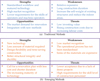 |
Fig. 1 SWOT analysis for different retrofit techniques. |
2.3 Review of the current workflow
The traditional workflow for a retrofitting project is summarised in Figure 2. As mentioned in the literature [21], users with retrofitting requirements are not necessarily practitioners in the construction industry. Therefore, ineffective communication and information exchange are among the most significant challenges. In addition, an integrated work platform, such as that based on Building Information Modelling (BIM), is missing in current practice. Although the amount of work for a retrofit project is not as large as that for new construction, it is more tedious to summarise the quantities through the software during the quantity survey. Due to inefficient communication, changes in design frequently lead to repetitive work on quantity takeoff.
 |
Fig. 2 Traditional retrofit workflow. |
2.4 Challenges in the retrofitting
Cost overruns or lower-than-expected paybacks often occur in the architecture, engineering, and construction (AEC) industries, and high costs are always challenging. Furthermore, Shehu et al. found that retrofitting projects were more likely to face cost overruns than new buildings because of Malaysia's technical complexity and the variability of site contingencies [68]. On the other hand, according to Shipley et al., who interviewed investors participating in retrofitting historic buildings in Ontario, Canada, investors perceived adaptive reuse as more expensive than new construction, although with a higher ROI [69]. This is also in line with Filippi's discussion of the impact of renovation on the Italian real estate market; for instance, green retrofits to existing buildings reduce operational costs and drive up rent [70]. The conclusion was that even considering renovation costs, the market value of a renovated historical building is much higher than before, and the building's value is retained for a more extended period. However, green retrofitting is restricted by complicated structures and funding.
Additionally, many stakeholders are involved in a renovation project, and communication and cooperation are challenging. Usually, homeowners, who are also investors, have power over the final decision of the project execution, which is considered a key risk factor in the renovation attempt [21]. Furthermore, Yang et al. surveyed the residents of old neighbourhoods in Beijing. They found that, although most residents showed positive attitudes towards retrofitting, their willingness to fund retrofitting independently was low [11]. In addition, owners who lack expertise require more information from the government and contractors. The disruption of residents' lives caused by construction and the lack of funds are also challenges for retrofitting [21], making total construction time a key factor during decision-making.
3 Methodology
An aged masonry building in the rural area of Suzhou was selected as the subject for the case study to investigate the costs and benefits of the two retrofitting plans. The building's spatial layout and the relevant functions of different spaces were designed based on the owner's requirements and the architect's suggestions. Consultation with industry experts on structural retrofitting was conducted to facilitate the determination of the construction workflow. The actual building before and after retrofitting was modelled in BIM software, relying on which cost and construction duration estimations were carried out. Figure 3 shows the workflow based on the BIM model, which involves all stakeholders. The initial design and any follow-up changes can be reflected directly in the model, with the quantities in the model automatically adjusted. The model also supports daylighting analyses before and after the retrofit, which helps verify the effectiveness of the retrofit solution before the actual construction. Compared to the traditional workflow in Figure 2, the proposed workflow based on the BIM model was implemented for both retrofitting plans in the case study.
Revit 2020® was used to undertake architectural design work, providing visualisation of the project. It aggregates the component data in the model, such as area, volume, and quantity. Insight is a plug-in used in Revit 2020 ®, which provides built-in weather data based on the nearest weather station according to the project's location. Insight was used to analyse sunlight to help designers optimise the design and perform energy analysis for heating and cooling systems. Epoint® is a project-costing software from Guotai Epoint Software Co., Ltd. This allows engineers to obtain the latest prices for the region's workforce, materials, and machinery and add or subtract work based on actual construction conditions in China.
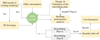 |
Fig. 3 BIM model-based renovation retrofit process. |
4 Case study
4.1 Basic information
The retrofitting of an aged masonry house in Kaixuangong Village, Suzhou, Jiangsu Province, China (Fig. 4), was studied to explore the advantages of adopting emerging techniques in building retrofitting. The aged houses had a floor area of 263 m2. The original room arrangement and appearance are shown in Figure 5. According to the owner's request, it should be retrofitted to serve as a studio space, with office areas on the first floor and two guest rooms on the second floor. The changes in functional requirements also led to the need for structural strengthening, especially masonry walls, to compensate for the wall openings and satisfy the stricter requirements of seismic resistance. The expected service life of the renovated building is 30 yr.
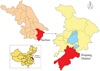 |
Fig. 4 Location of the project site. |
 |
Fig. 5 Residential maosnry building before renovation. |
4.2 Summary of changes in architectural functions
Figure 6 shows the detailed floor plan after retrofitting after considering the design requirements, especially the desire to improve lighting conditions.. The corridor on the first floor was transformed into an indoor space to enable more social activities within the greenhouse and under the sunshade roof. The main tasks in the retrofitting process are summarized in Table 2.
Daylight simulations were performed using Revit® with the Insight plug-in. LEED v4 EQc7 automatically selected the nearest 15 consecutive days of clear, cloud-free weather with intensity illumination analysis. The simulation results are shown in Figure 7. It is clear from the analyses that the original floor plan led to poor lighting conditions in the middle part of the building, particularly in the stairwell. The interior lighting was significantly improved by removing the wall and adding the glass curtain wall and roof, which changed from approximate 8 lux to over 200 lux before and after the retrofitting. The lighting of the second floor is slightly affected by the installed canopy while keeping the same window-wall ratio. The simulation proves that under natural lighting, the updated floor plan eliminated the concerns of low lighting in the first floor raised by the current residents, and reached the minimal 75 lux for the living room.
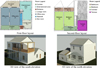 |
Fig. 6 Residential maosnry building after renovation (Design Concept). |
Brief description of the main tasks for the studied case.
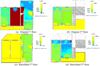 |
Fig. 7 Light simulation by using the BIM model. |
4.3 Building structure renovation
Figure 8 shows the layout of the 3D model of the first floor before and after renovation, which presents significant changes in the structure of its load-bearing walls. To pursue space flexibility, the original masonry structure is typically replaced with a frame structure consisting of cast-in-place columns and beams. However, this approach may also require upgrading the existing foundation system, which is either impossible or too complicated and expensive to implement. Health and safety are other concerns when the retrofitting of the foundation is involved in the process. Based on the finalised architectural plan, two retrofitting plans, A and B (HDC), were identified as viable solutions. Detailed information on each plan is discussed below.
(a) Scheme of plan A application: H40 grout for wall reinforcement
Following the methods proposed by industry practitioners and experts, the retrofitting plan is summarised in Table 3. The main tasks are to increase the cross-sectional area of the members, such as columns and beams, and improve the connections between the structural components [43]. The wall of this aged building, the rowlock cavity wall, has a hollow ratio of approximately 56% with poor seismic bearing capacity and energy dissipation ability. The columns and walls are generally simultaneously under construction because the reinforcement mesh tying form is also the same as the reinforcement of the walls. Plan A required strengthening the masonry wall by constructing additional ring beams and columns to ensure the integrity of the final structure.
(b) Scheme of plan B application: HDC for wall reinforcement
The emerging retrofitting method involving HDC is attracting the interest of building owners and investors. This approach placed concrete strips horizontally and vertically using HDC to strengthen brick-masonry buildings. The width and thickness of the stripes were highly dependent on the seismic intensity of the area. With a 7-degree seismic intensity, an HDC layer with a thickness of 15 mm should be applied to the walls, the width of the vertical strips should be 1000 mm and 800 mm in the horizontal direction [60], and no reinforcing mesh is required. Moreover, owing to HDC, the scale of the frameworks decreased compared with that of plan A. Figure 9 shows a schematic drawing of all the strengthening strips with HDC.
By adopting plan B, the complicated wall retrofitting procedures in plan A can be simplified. Meanwhile, when switching from plan A to plan B, the retrofitted walls' better structural performance reduced the new columns' total square footage from 3.03 m3 to 1.79 m3.
 |
Fig. 8 Transformation of the first-floor wall before and after the renovation. |
A brief overview of structural reinforcement.
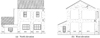 |
Fig. 9 Diagram of reinforcement with HDC. |
4.4 Results and discussions
4.4.1 Cost analysis of the retrofitting plan A
Information on the building components is generated from the Revit model as schedule lists and imported into Excel so that the quantity takeoff (QTO) becomes complete. Then, the cost calculation is conducted in the Epoint® software for the direct cost of different work components, considering the price of labor, materials, and machinery, depending on the market in the local region. It is assumed that standard labor cost is required for the renovation work, such as adding new columns, as listed in the provincial level standards, and reflected by the factors embedded in the software. The indirect costs, such as taxes and fees, are estimated based on the percentage of the direct costs. The total renovation cost was 559,679.99 CNY, approximately 77,900 USD, including direct and indirect costs. The detailed construction steps, quantities, units, and amounts incurred to build the engineering entity are shown in Appendix A. Figure 10 divides the total cost into five categories. The expenses incurred to create an engineering entity accounted for 78% of the total cost. The main reason for the high direct cost is the high expense of labor and materials. Narrow roads in the countryside prevent large machines from entering and leaving the site. The estimated construction duration was 109 days. In addition, structural strengthening accounts for 61% of the direct costs, which is the most significant part of the expenses.
A cost breakdown of the structural strengthening part was performed to determine the significant components. As shown in Figure 11, the cost of wall strengthening accounts for up to 64%, of which grouting of the rowlock cavity wall accounts for 57%, followed by work on wall plastering, which accounts for 26%.
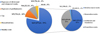 |
Fig. 10 Composition of direct and indirect costs. |
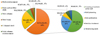 |
Fig. 11 Decomposition of costs in reinforcement. |
4.4.2 Cost analysis of the retrofitting plan B (HDC)
The workflow for Plan B is similar to that of Plan A. Figure 12 shows the total cost of Plan B, which was 477,340.46 CNY. The cost of reinforcement accounted for approximately 54% of the direct cost. Breaking down the cost of the reinforcement works (Fig. 13), the wall expense accounted for approximately 55%.
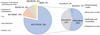 |
Fig. 12 The total cost of plan B (HDC). |
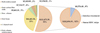 |
Fig. 13 Decomposition of reinforced costs of plan B (HDC). |
4.4.3 Comparison between plan A and plan B
The differences between Plans A and B are summarized in Figure 14. Owing to the use of HDC, compared with Plan A, the construction steps of Plan B are reduced. For example, reinforcing mesh cement mortar is eliminated, reducing all associated reinforcement work and eliminating grouting. Because HDC was supported using strips, the plastering workload was reduced by 46%. The number of columns was significantly reduced because they only needed to be set at the corners of the building and where the inner and outer walls meet, which resulted in a 34% reduction.
When using HDC, the material price varies depending on the construction plan, for example, 5850 CNY/t for manual plastering and 5350 CNY/t for the spraying method. Although the sprayed material is cheaper and faster to apply, the hand-applied material was chosen because using the machine for a single-building project is more expensive. Table 4 presents the cost differences due to the application of HDC. Even though the material cost of HDC was more expensive than the grout material, the expense of the wall was reduced by approximately 35%. In addition, the reduction in column volume also helped reduce the cost.
In addition, Table 5 considers other indirect costs in the comparison, revealing that the reduction in direct costs also contributes to the decrease in indirect costs. The project duration can impact costs, such as transportation turnaround, handling, machinery, and formwork. The HDC reinforcement approach reduces the project's overall cost by approximately 32%.
Figure 15 demonstrates the difference in construction time for plans A and B. Eliminating the grouting and reinforcement mesh reduced the processes of plan B and thus reduced the total construction duration from 59 days to 38 days.
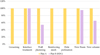 |
Fig. 14 Comparison of workload in two plans. |
Comparison of the direct costs of the two plans.
Comparison of the total cost of the two plans.
 |
Fig. 15 Gantt Chart of the whole project. |
5 Conclusions
In addition to improving buildings' comfort and energy savings [11,12,28,31], structural strengthening is essential in renovation projects. As mentioned in the literature [71,72], it is necessary to renovate aged masonry buildings to mitigate their low seismic performance, poor maintenance, and overuse. Because an expensive initial investment is the main obstacle limiting retrofitting projects [11,21,69], it is essential to conduct cost-benefit analyses for various retrofitting alternatives, such as the work presented in the case study. It can be concluded based on the presented case study that:
The BIM model can facilitate communication, design optimization, and quantity estimation in retrofitting projects, and its usage should be advocated.
It is reconfirmed that retrofitting can be more expensive than new construction, which verifies prior research findings [68,69].
For the particular case study presented in this paper, retrofitting plan B using HDC costs less than plan A, which adopts traditional wall strengthening method to reach the same level of structural performance. The estimated total cost and construction duration reductions are 32% and 36%, respectively.
It should be noted that there are still various limitations in this research, with assumptions based on simplifications of the retrofitting plan. For example, the HDC retrofitting scheme is based on general guidelines, without optimizing the particular buildings studied. Further structural analyses may lead to further optimization, cost reduction, and construction time reduction. The data source used in the study is cited from the published documentation of the studied region. It may differ in other parts of the world, affecting the comparison results and conclusions. If the village has a handful of similar masonry buildings, a multi-building renovation project can be enabled. In that case, the increase in scale may lead to a change in cost due to the batch purchasing of raw materials. However, such generalization and scaling are not guaranteed, especially if the owner or developer does not collectively own the property rights. The cost and time savings of the new retrofitting technology shall be further tested in other study cases to obtain generalized conclusions and suggestions for future applications.
Funding
This research was funded by Suzhou HuiHuLiXin Education Development Foundation “Facilitating Rural Revitalization through Education Outreaching” (grant number EFP10120250073).
Conflicts of interest
L.C. and Z.Z. certify that they have no financial conflicts of interest (e.g., consultancies, stock ownership, equity interest, patent/licensing arrangements) in connection with this article.
J.X. and C.B. have received funding from Suzhou HuiHuLiXin Education Development Foundation.
Data availability statement
The data supporting the findings of this study are available from the corresponding author upon reasonable request.
Author contribution statement
Conceptualization, J.X. and B.C.; Methodology, L.C.; Software, L.C.; Validation, Z.Z., J.X.; Formal Analysis, L.C.; Investigation, L.C.; Resources, J.X.; Data Curation, L.C.; Writing − Original Draft Preparation, L.C. and Z.Z.; Writing − Review and Editing, J.X. and B.C.; Visualization, L.C.; Supervision, J.X. and B.C.; Project Administration, J.X.; Funding Acquisition, B.C.
Supplementary Material
Table A1. Details of divisional and elemental works: Plan A.
Table A2. Details of divisional and elemental works: Plan B.
Access Supplementary MaterialReferences
- B. Peng et al., Experimental investigation on the performance of historical squat masonry walls strengthened by UHPC and reinforced polymer mortar layers, Appl. Sci. 9, 2096 (2019) [Google Scholar]
- T. Huo et al., China's building stock estimation and energy intensity analysis, J. Clean. Prod. 207, 801–813 (2019) [Google Scholar]
- D. Wang, Y. Zhu, M. Zhao, Q. Lv, Multi-dimensional hollowing characteristics of traditional villages and its influence mechanism based on the micro-scale: A case study of Dongcun Village in Suzhou, China, Land Use Policy, 101, 105146 (2021) [Google Scholar]
- B. Wu, L. Liu, Social capital for rural revitalization in China: A critical evaluation on the government's new countryside programme in Chengdu, Land Use Policy, 91, 104268 (2020) [Google Scholar]
- L. Cheng, China's rural transformation under the Link Policy: A case study from Ezhou, Land Use Policy, 103, 105319 (2021) [Google Scholar]
- Ministry of Housing and Urban-Rural Development (MOHURD), Notice of the ministry of housing and urban-rural development on the prevention of large-scale demolition and construction in the implementation of urban renewal actions, 2021, Available from: http://www.gov.cn/zhengce/zhengceku/2021-08/31/content_5634560.htm [Google Scholar]
- Jiangsu Provincial Department of Agriculture and Rural Affairs, Notice of strengthening and regulating the management of rural homestead, 2020, Available from: http://nynct.jiangsu.gov.cn/art/2020/6/10/art_11977_9203978.html [Google Scholar]
- Ministry of Housing and Urban-Rural Development, Technical guide for the appraisal of the safety of rural housing, 2019, Available from: http://www.gov.cn/xinwen/2019-12/04/content_5458282.htm [Google Scholar]
- B. Chen, Z. Yao, H. Zhang, C. Nolf, Design research on landscape-led rural revitalization, Chin. Landsc. Arch. 36, 58–62 (2020) [Google Scholar]
- B. Chen, Y. Ding, Z. Liu, Research on ecosystem-led lifecycle rural planning and design: a case study of maiweng ancient village of the bouyei ethnic group in guiyang, J. Human Settlements West China, 37, 134–140 (2022) [Google Scholar]
- X.E. Yang et al., Issues and challenges of implementing comprehensive renovation at aged communities: A case study of residents' survey, Energy Build. 249, 111231 (2021) [Google Scholar]
- Ü. Alev et al., Renovation alternatives to improve energy performance of historic rural houses in the Baltic Sea region, Energy Build. 77, 58–66 (2014) [Google Scholar]
- Y. Lu, J. Qian, Towards a material approach in rural geography: Architectural experiments in China's rural renaissance and reconstruction movements, Geoforum, 116, 119–129 (2020) [Google Scholar]
- R. Pernice, B. Chen, L. Cardellicchio, Introduction, in introduction, in: R. Pernice, B. Chen (Eds.), Australia and China Perspectives on Urban Regeneration and Rural Revitalization, R. Pernice and B. Chen, Editors. 2024, https://doi.org/10.4324/9781003414186-1 [Google Scholar]
- P.C.P. Silva, M. Almeida, L. Bragança, V. Mesquita, Development of prefabricated retrofit module towards nearly zero energy buildings, Energy Build. 56, 115–125 (2013) [Google Scholar]
- R. Maio, T.M. Ferreira, R. Vicente, A. Costa, Is the use of traditional seismic strengthening strategies economically attractive in the renovation of urban cultural heritage assets in Portugal? Bull. Earthq. Eng. 17, 2307–2330 (2019) [Google Scholar]
- F.-F. Wei, Y.-H. Zhu, J. Yu, Y.-Q. Wang, Experimental study of seismic behaviour of renovated masonry structures after removing walls and seismic retrofitting, J. Build. Eng. 31, 101360 (2020) [Google Scholar]
- Y. Tan et al., An empirical study of green retrofit technologies and policies for aged residential buildings in Hong Kong, J. Build. Eng. 39, 102271 (2021) [Google Scholar]
- M. Tahsildoost, Z. Zomorodian, Energy, carbon, and cost analysis of rural housing retrofit in different climates, J. Build. Eng. 30, 101277 (2020) [Google Scholar]
- J. Hou et al., Comparative study of commercial building energy-efficiency retrofit policies in four pilot cities in China, Energy Policy, 88, 204–215 (2016) [Google Scholar]
- L. Jia, Q.K. Qian, F. Meijer, H. Visscher, Exploring key risks of energy retrofit of residential buildings in China with transaction cost considerations, J. Clean. Prod. 293, 126099 (2021) [Google Scholar]
- Z. Mayer, R. Volk, F. Schultmann, Analysis of financial benefits for energy retrofits of owner-occupied single-family houses in Germany, Build. Environ. 211, 108722 (2022) [Google Scholar]
- H.F. Castleton, V. Stovin, S.B.M. Beck, J.B. Davison, Green roofs; building energy savings and the potential for retrofit, Energy Build. 42, 1582 −1591 (2010) [Google Scholar]
- X. Chen, M. Cimillo, D. Chow, B. Chen, Assessing the energy performance and retrofit potential of the 1980-1990s' residential building stock in China's Jiangsu province: a simulation-based study, Energies, 17, 1260 (2024) [Google Scholar]
- W.Q. Tham, S. Chandra, B. Norton, S. McCormack, Introducing luminescent solar waveguides for sustainable buildings for enhanced circadian rhythm regulation, Sust. Build. 6, 6 (2023) [Google Scholar]
- Y. Liu, T. Liu, S. Ye, Y. Liu, Cost-benefit analysis for energy efficiency retrofit of existing buildings: a case study in China, J. Clean. Prod. 177, 493–506 (2018) [Google Scholar]
- C. Bai, Z. Yang, Optimization method of building energy efficiency design based on decomposition multi objective and agent assisted model, Sust. Build. 7, 4 (2024) [Google Scholar]
- Y. Xing, N. Hewitt, P. Griffiths, Zero carbon buildings refurbishment--A Hierarchical pathway, Renew. Sustain. Energy Rev. 15, 3229–3236 (2011) [Google Scholar]
- S.A. Sharif, A. Hammad, Simulation-based multi-objective optimization of institutional building renovation considering energy consumption, life-cycle cost and life-cycle assessment, J. Build. Eng. 21, 429–445 (2019) [Google Scholar]
- G.A. Blengini, Life cycle of buildings, demolition and recycling potential: A case study in Turin, Italy, Build. Environ. 44, 319–330 (2009) [Google Scholar]
- L. Belussi et al., A review of performance of zero energy buildings and energy efficiency solutions, J. Build. Eng. 25, 100772 (2019) [Google Scholar]
- M. Rehm, R. Ade, Construction costs comparison between ‘green’ and conventional office buildings, Build. Res. Inf. 41, 198–208 (2013) [Google Scholar]
- D. Quiun, P. Mamani, Cyclic load behavior of confined masonry walls of horizontally-hollow bricks retrofitted with wire meshes, in: 16th World Conference on Earthquake, 2017, p. 1–12 [Google Scholar]
- M. Diaz, C. Zavala, J. Gallardo, L. Lavado, Experimental study of non-engineered confined masonry walls retrofitted with wire mesh and cement-sand mortar, in: 16th World Conference on Earthquake, 2017 [Google Scholar]
- C. Shermi, R.N. Dubey, In-plane behaviour of unreinforced masonry panel strengthened with welded wire mesh and mortar, Constr. Build. Mater. 178, 195–203 (2018) [Google Scholar]
- C. Shermi, R.N. Dubey, Study on out-of-plane behaviour of unreinforced masonry strengthened with welded wire mesh and mortar, Constr. Build. Mater. 143, 104–120 (2017) [Google Scholar]
- J. Luzar et al., NMR spectroscopy-supported design and properties of air lime-white cement injection grouts for strengthening of historical masonry buildings, Constr. Build. Mater. 250, 118937 (2020) [Google Scholar]
- A. Kalagri, A. Miltiadou-Fezans, E. Vintzileou, Design and evaluation of hydraulic lime grouts for the strengthening of stone masonry historic structures, Mater. Struct. 43, 1135–1146 (2010) [Google Scholar]
- E. Luso, P.B. Lourenço, Experimental laboratory design of lime based grouts for masonry consolidation, Int. J. Arch. Heritage, 11, 1143–1152 (2017) [Google Scholar]
- A. Goswami, S.D. Adhikary, Retrofitting materials for enhanced blast performance of Structures: Recent advancement and challenges ahead, Constr. Build. Mater. 204, 224–243 (2019) [Google Scholar]
- L.-J. Ouyang, W.-Y. Gao, B. Zhen, Z.-D. Lu, Seismic retrofit of square reinforced concrete columns using basalt and carbon fiber-reinforced polymer sheets: A comparative study, Compos. Struct. 162, 294–307 (2017) [Google Scholar]
- D. Richard, S.A.S. Iacobucci, B. Oguzhan, Retrofit of square concrete columns with carbon fiber-reinforced polymer for seismic resistance, ACI Struct. J. 100, (2003) https://doi.org/10.14359/12845 [Google Scholar]
- J. Ortega et al., Traditional earthquake resistant techniques for vernacular architecture and local seismic cultures: a literature review, J. Cultural Heritage, 27, 181–196 (2017) [Google Scholar]
- Masonry structure reinforcement and repair, in: 15G611, China Planning Press, 2015 [Google Scholar]
- A. Borri, G. Castori, A. Grazini, Retrofitting of masonry building with reinforced masonry ring-beam, Constr. Build. Mater. 23, 1892–1901 (2009) [Google Scholar]
- S. Altin, Ö. Anil, M.E. Kara, Improving shear capacity of existing RC beams using external bonding of steel plates, Eng. Struct. 27, 781–791 (2005) [Google Scholar]
- C. Zhou, X. Li, D. Wang, S. Xia, Analysis of bearing capacity and seismic performance of circular RC columns strengthened with externally wrapped steel plates, Adv. Civil Eng. 2019, 2515091 (2019) [Google Scholar]
- B.B. Adhikary, H. Mutsuyoshi, Shear strengthening of reinforced concrete beams using various techniques, Constr. Build. Mater. 20, 366–373 (2006) [Google Scholar]
- R.A. Barnes, P.S. Baglin, G.C. Mays, N.K. Subedi, External steel plate systems for the shear strengthening of reinforced concrete beams, Eng. Struct. 23, 1162–1176 (2001) [Google Scholar]
- Y.-W. Lin, D. Biggs, L. Wotherspoon, J.M. Ingham, In-plane strengthening of unreinforced concrete masonry wallettes using ECC shotcrete, J. Struct. Eng. 140, 04014081 (2014) [Google Scholar]
- Y. Lin, D. Lawley, L. Wotherspoon, J.M. Ingham, Out-of-plane testing of unreinforced masonry walls strengthened using ECC shotcrete, Structures, 7, 33–42 (2016) [CrossRef] [Google Scholar]
- Y.-W. Lin, L. Wotherspoon, A. Scott, J.M. Ingham, In-plane strengthening of clay brick unreinforced masonry wallettes using ECC shotcrete, Eng. Struct. 66, 57–65 (2014) [Google Scholar]
- V.C. Li, On engineered cementitious composites (ECC) a review of the material and its applications, J. Adv. Concrete Technol. 1, 215–230 (2003) [Google Scholar]
- X.-Y. Shang, J.-T. Yu, L.-Z. Li, Z.-D. Lu, Strengthening of RC structures by using engineered cementitious composites: a review, Sustainability 11, 3384 (2019) [Google Scholar]
- W. Meng, K.H. Khayat, Y. Bao, Flexural behaviors of fiber-reinforced polymer fabric reinforced ultra-high-performance concrete panels, Cement Concrete Compos. 93, 43–53 (2018) [Google Scholar]
- N.M. Azmee, N. Shafiq, Ultra-high performance concrete: from fundamental to applications, Case Stud. Constr. Mater. 9, e00197 (2018) [Google Scholar]
- M. Zhou, W. Lu, J. Song, G.C. Lee, Application of ultra-high performance concrete in bridge engineering, Constr. Build. Mater. 186, 1256–1267 (2018) [CrossRef] [Google Scholar]
- T. Li, M. Deng, Y. Ma, Y. Zhang, Study on axial compressive performance of HDC-masonry composite elements, Constr. Build. Mater. 304, 124593 (2021) [Google Scholar]
- M. Deng, T. Li, Y. Zhang, Compressive performance of masonry columns confined with highly ductile fiber reinforced concrete (HDC), Constr. Build. Mater. 254, 119264 (2020) [Google Scholar]
- S.P.D.O.H.A.U.-R. Development, Technical specification for strengthening with high ductile concrete, in: DBJ04/T397-2019, China Building Materials Industry Press, 2019 [Google Scholar]
- A.P.D.O.H.A.U.-R. Development, Technical specification for application of high ductile concrete, in: DB34/T3469-2019, 2019 [Google Scholar]
- M. Deng, M. Zhang, Z. Zhu, F. Ma, Deformation capacity of over-reinforced concrete beams strengthened with highly ductile fiber-reinforced concrete, Structures, 29, 1861–1873 (2021) [Google Scholar]
- M. Deng et al., Analysis of compressive toughness and deformability of high ductile fiber reinforced concrete, Adv. Mater. Sci. Eng. 2015, 384902 (2015) [Google Scholar]
- M. Kunieda, K. Rokugo, Recent progress on HPFRCC in Japan required performance and applications, J. Adv. Concrete Technol. 4, 19–33 (2006) [Google Scholar]
- N. Sathiparan, P. Mayorca, K. Meguro, Shake table tests on one-quarter scale models of masonry houses retrofitted with PP-band mesh, Earthq. Spectra, 28, 277–299 (2012) [Google Scholar]
- A. Chourasia, S. Singhal, J. Parashar, Experimental investigation of seismic strengthening technique for confined masonry buildings, J. Build. Eng. 25, 100834 (2019) [Google Scholar]
- S.M. Umair, M. Numada, M.N. Amin, K. Meguro, Fiber reinforced polymer and polypropylene composite retrofitting technique for masonry structures, Polymers, 7, 963–984 (2015) [Google Scholar]
- Z. Shehu, I.R. Endut, A. Akintoye, G.D. Holt, Cost overrun in the Malaysian construction industry projects: A deeper insight, Int. J. Project Manag. 32, 1471–1480 (2014) [Google Scholar]
- R. Shipley, S. Utz, M. Parsons, Does adaptive reuse pay? A study of the business of building renovation in Ontario, Canada, Int. J. Heritage Stud. 12, 505–520 (2006) [Google Scholar]
- M. Filippi, Remarks on the green retrofitting of historic buildings in Italy, Energy Build. 95, 15–22 (2015) [Google Scholar]
- P.G. Asteris et al., Seismic vulnerability assessment of historical masonry structural systems, Eng. Struct. 62–63, 118–134 (2014) [Google Scholar]
- P.B. Lourenço et al., Simplified indexes for the seismic assessment of masonry buildings: International database and validation, Eng. Fail. Anal. 34, 585–605 (2013) [Google Scholar]
Cite this article as: L. Chen, Z. Zhao, J. Xia and B. Chen: Retrofitting aged masonry buildings using advanced cementitious fibre reinforced concrete material: case study and comparison to traditional methods. Sust. Build. 9, 2 (2026), https://doi.org/10.1051/sbuild/2025011.
All Tables
All Figures
|
Fig. 1 SWOT analysis for different retrofit techniques. |
| In the text | |
|
Fig. 2 Traditional retrofit workflow. |
| In the text | |
|
Fig. 3 BIM model-based renovation retrofit process. |
| In the text | |
|
Fig. 4 Location of the project site. |
| In the text | |
|
Fig. 5 Residential maosnry building before renovation. |
| In the text | |
|
Fig. 6 Residential maosnry building after renovation (Design Concept). |
| In the text | |
|
Fig. 7 Light simulation by using the BIM model. |
| In the text | |
|
Fig. 8 Transformation of the first-floor wall before and after the renovation. |
| In the text | |
|
Fig. 9 Diagram of reinforcement with HDC. |
| In the text | |
|
Fig. 10 Composition of direct and indirect costs. |
| In the text | |
|
Fig. 11 Decomposition of costs in reinforcement. |
| In the text | |
|
Fig. 12 The total cost of plan B (HDC). |
| In the text | |
|
Fig. 13 Decomposition of reinforced costs of plan B (HDC). |
| In the text | |
|
Fig. 14 Comparison of workload in two plans. |
| In the text | |
|
Fig. 15 Gantt Chart of the whole project. |
| In the text | |
Current usage metrics show cumulative count of Article Views (full-text article views including HTML views, PDF and ePub downloads, according to the available data) and Abstracts Views on Vision4Press platform.
Data correspond to usage on the plateform after 2015. The current usage metrics is available 48-96 hours after online publication and is updated daily on week days.
Initial download of the metrics may take a while.